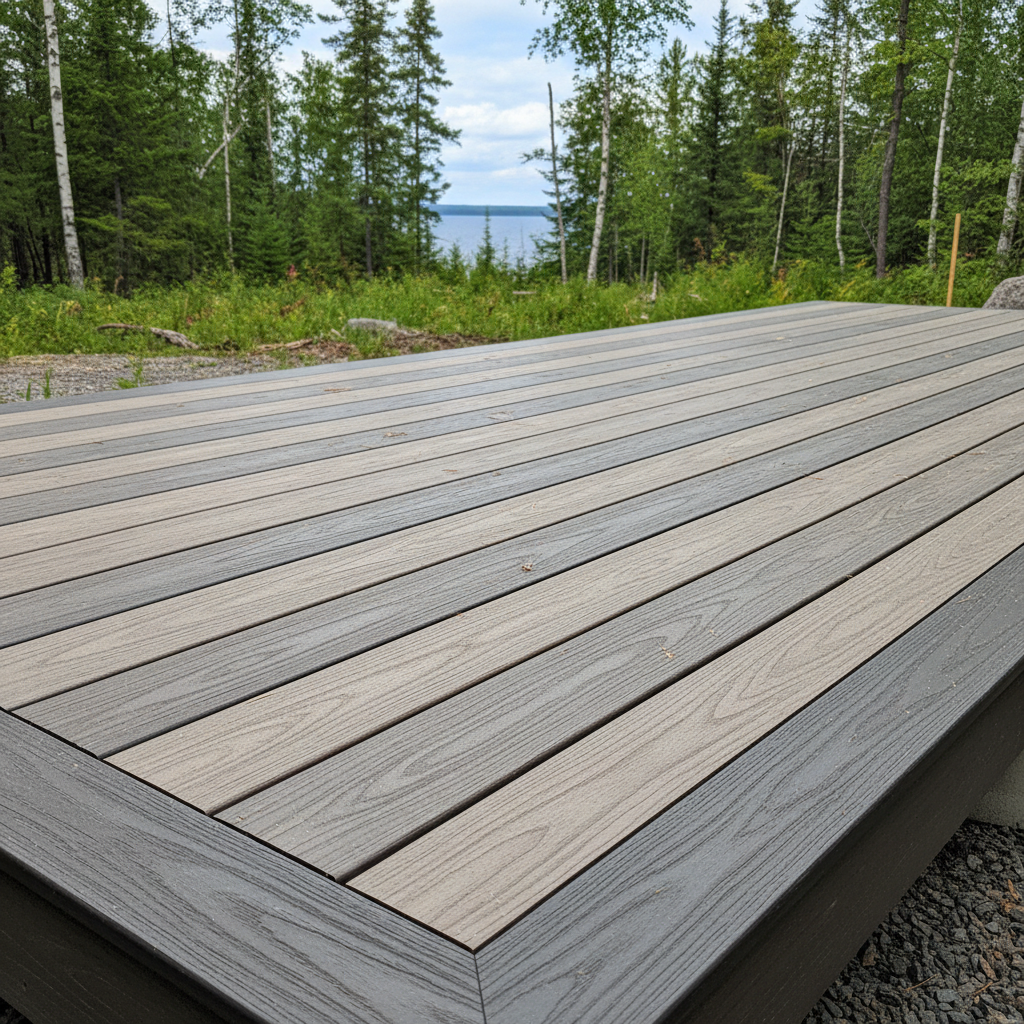
Alright, let's talk composite decks. You're probably looking for something that lasts, something that doesn't need constant staining or sealing, especially with our crazy Duluth weather. That's exactly why composite has become so popular around here. But before you jump in, you need a game plan. I've seen a lot of these projects, both good and bad, and I can tell you what works.
Before You Even Buy a Board
First things first: planning. This isn't just about picking a color, you know? You need to think about your space, how you'll actually use it, and what the city's going to say. Here's what I always tell folks:
- Check Local Codes and Permits: This is non-negotiable. Duluth has specific requirements for decks, especially regarding setbacks, height, and structural integrity. You don't want to build a beautiful deck only to find out you have to tear it down or pay a hefty fine. A lot of homeowners try to skip this step, and it almost always ends up costing them more time and money in the long run.
- Foundation is Key: Our ground here in Duluth can be tricky. We get serious freeze-thaw cycles. You absolutely need proper footings that go below the frost line, which is usually 42 inches deep around here. If your footings aren't deep enough, your deck will heave and settle. That's a nightmare for composite decking, which isn't as forgiving as wood when it comes to movement.
- Design for Our Climate: Think about snow load. We get a lot of snow. Your deck needs to handle that weight. Also, consider sun exposure. While composite holds up great, darker colors can get hot in direct summer sun. Think about how much shade you'll get from your house or nearby trees, especially if you're planning on going barefoot.
- Budget Realistically: Composite costs more upfront than wood, no two ways about it. But you're paying for durability and low maintenance. Factor in the cost of materials, fasteners (hidden fasteners are usually preferred for a clean look), and any tools you might need. Don't forget about railing systems, which can vary wildly in price.
During the Build: DIY or Call a Pro?
This is where a lot of people hit a wall. Can you build a composite deck yourself? Maybe. Here's the breakdown:
- The Frame: This is almost always wood, usually pressure-treated lumber. If you're comfortable with framing, cutting, leveling, and ensuring everything is square and plumb, you can probably handle this part. But remember those footings I mentioned? Digging and pouring concrete correctly is crucial. If you're not confident, or if your yard has a significant slope (common in neighborhoods like Lakeside or Woodland), this is definitely a job for a professional. A poorly built frame will quickly ruin even the best composite decking.
- Laying the Composite: This is where most DIYers feel more comfortable. Composite boards are pretty consistent, and hidden fastener systems make for a clean look. You'll need a good miter saw with a fine-tooth blade, a drill, and patience. Follow the manufacturer's instructions for gapping – composite expands and contracts with temperature changes, so proper spacing is vital. Don't try to butt boards tight against each other; they'll buckle.
- Railing Systems: This can be surprisingly complex. Whether you go with composite, aluminum, or cable railing, getting everything level, plumb, and up to code (especially height requirements and baluster spacing) takes precision. If you're not a perfectionist, or if you want something custom, a pro will save you a lot of headaches here.
Honestly, for most folks, the framing and structural elements are best left to someone who does it every day. That's where the safety and longevity of your deck really come from. Laying the deck boards and maybe some simpler railing can be a rewarding DIY project if you've got the skills and tools. At Duluth Custom Decks, we often get calls from people who started a project and realized they were in over their heads, especially when it came to the structural stuff.
After It's Built: Keeping It Looking Good
The beauty of composite is the low maintenance, but ---